
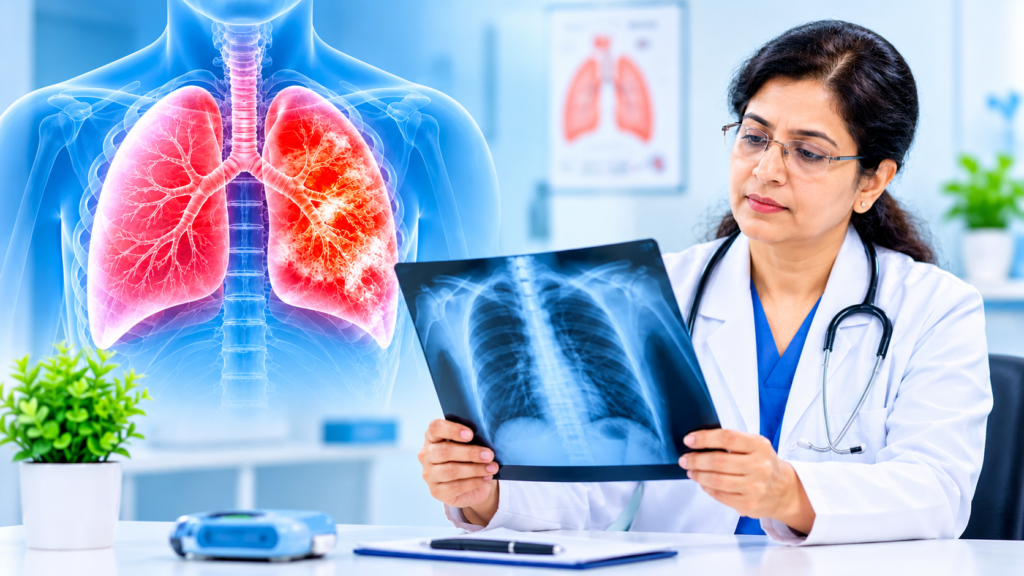
Pneumonia is a lung infection that can affect people of all ages, causing symptoms such as cough, fever, chest pain and difficulty breathing. Early diagnosis and appropriate medical care are important to prevent complications and support recovery. If you are looking for Pneumonia in Delhi, understanding its symptoms, causes, diagnosis and treatment options can help you make informed decisions about your respiratory health.
Pneumonia can range from a mild infection to a serious condition requiring hospitalisation, particularly in young children, older adults and people with existing health conditions. Knowing when to consult a doctor is essential for timely treatment.
What Is Pneumonia?
Pneumonia is an infection that causes inflammation in one or both lungs. It affects the tiny air sacs called alveoli, which may fill with fluid or pus, making breathing difficult and reducing the efficiency of oxygen exchange.
The infection may be caused by bacteria, viruses or fungi. Its severity depends on the organism responsible, the patient’s age, overall health and immune system.
Pneumonia can develop suddenly or gradually. Some people experience mild symptoms, while others may develop serious breathing difficulties and require urgent medical attention.
What Are the Common Symptoms of Pneumonia?
Pneumonia symptoms can vary from person to person. Some symptoms resemble those of the common cold or flu, but pneumonia may cause more persistent or severe respiratory problems.
Common symptoms include:
- Persistent cough: A cough that may produce yellow, green or blood-stained mucus.
- Fever and chills: An increase in body temperature accompanied by sweating or shivering.
- Chest pain: Pain that becomes worse during deep breathing or coughing.
- Shortness of breath: Difficulty breathing or feeling breathless during normal activities.
- Fatigue: Unusual tiredness, weakness and reduced energy.
- Rapid breathing: Breathing faster than normal, particularly in children.
- Loss of appetite: Reduced interest in eating and drinking.
Older adults may sometimes develop confusion, weakness or a sudden decline in their general health without experiencing a high fever.
If you experience severe breathing difficulty, bluish lips or face, confusion or severe chest pain, seek emergency medical attention immediately.
What Causes Pneumonia?
Pneumonia develops when harmful microorganisms enter the lungs and cause an infection. The most common causes include:
1. Bacterial Infections
Bacteria are a common cause of pneumonia. Streptococcus pneumoniae is one of the leading bacterial causes. Other bacteria can also lead to lung infections.
2. Viral Infections
Viruses such as influenza, respiratory syncytial virus (RSV) and SARS-CoV-2 can cause pneumonia. Viral pneumonia may develop following a respiratory infection.
3. Fungal Infections
Certain fungi can cause pneumonia, particularly in individuals with weakened immune systems or specific environmental exposures.
4. Aspiration
Aspiration pneumonia can occur when food, liquid, saliva or vomit accidentally enters the lungs, causing inflammation and sometimes infection.
Who Is at Higher Risk of Developing Pneumonia?
Although pneumonia can affect anyone, certain individuals have a higher risk of developing severe infections.
These include:
- Children younger than five years.
- Adults aged 65 years and above.
- People with asthma, COPD or other chronic lung conditions.
- Individuals with diabetes or heart disease.
- People with weakened immune systems.
- Individuals who smoke or are exposed to air pollution.
- People recovering from influenza or other respiratory infections.
Delhi residents may also experience respiratory irritation due to seasonal air pollution. However, air pollution itself is not the same as pneumonia. It may worsen existing respiratory conditions and increase vulnerability to respiratory infections.
How Is Pneumonia Diagnosed?
Accurate diagnosis is important because pneumonia symptoms can overlap with other respiratory illnesses, including bronchitis, influenza and tuberculosis.
A doctor may recommend the following investigations depending on the patient’s symptoms and clinical condition:
1. Physical Examination: The doctor listens to the lungs using a stethoscope to identify abnormal sounds such as crackling or reduced air entry.
2. Chest X-ray: A chest X-ray helps identify areas of inflammation or infection in the lungs.
3. Blood Tests: Blood investigations may help assess infection and inflammation.
4. Oxygen Level Measurement: Pulse oximetry measures the oxygen saturation in the blood.
5. Sputum Test: A mucus sample may be examined to identify the microorganism responsible for the infection.
6. Additional Investigations: Depending on the severity of the illness, a doctor may recommend further tests, such as a CT scan or specific microbiological investigations.
Not every patient requires every test. The choice depends on clinical assessment and the severity of symptoms.
What Is the Treatment for Pneumonia?
The treatment depends on the cause of infection, the severity of symptoms and the patient’s overall health.
Antibiotics for Bacterial Pneumonia
Antibiotics are prescribed when bacterial pneumonia is suspected or confirmed. The choice of medicine and treatment duration depend on the patient’s condition and clinical assessment.
Antibiotics do not treat viral pneumonia unless there is also a bacterial infection.
Treatment for Viral Pneumonia
Viral pneumonia is generally managed with supportive care. In selected cases, antiviral medicines may be recommended depending on the virus responsible and the timing of treatment.
Supportive Care
Supportive treatment may include:
- Adequate rest.
- Drinking sufficient fluids.
- Medicines to control fever and discomfort, when appropriate.
- Monitoring oxygen levels when medically indicated.
- Oxygen therapy for patients with low oxygen levels.
Hospitalisation for Severe Pneumonia
Patients with severe pneumonia may require hospitalisation for oxygen support, intravenous medicines, fluids and close monitoring.
Do not start antibiotics or other prescription medicines without consulting a qualified healthcare professional.
When Should You Consult a Pneumonia Doctor in Delhi?
You should seek medical advice if you experience a persistent cough, fever, chest discomfort or breathing difficulties, particularly if your symptoms are worsening.
Consultation is especially important for older adults, young children and people with chronic health conditions.
When choosing a Pneumonia clinic in Delhi, consider factors such as qualified medical professionals, appropriate diagnostic facilities and access to emergency care when needed.
A timely Pneumonia consultation in Delhi can help identify the cause of your symptoms and determine the most appropriate treatment plan.
If you are experiencing symptoms of a lung infection, consult a qualified Lung infection doctor in Delhi for proper evaluation rather than relying on self-medication.
How Can Pneumonia Be Prevented?
Although not all cases of pneumonia can be prevented, certain measures can reduce the risk of infection.
- Get recommended vaccinations: Pneumococcal, influenza and other age-appropriate vaccinations can help prevent certain infections that cause pneumonia.
- Maintain hand hygiene: Wash your hands regularly with soap and water.
- Avoid smoking: Smoking damages the lungs and increases susceptibility to respiratory infections.
- Follow respiratory hygiene: Cover your mouth and nose when coughing or sneezing.
- Maintain good nutrition: Eat a balanced diet and maintain healthy lifestyle habits.
- Manage existing health conditions: Follow medical advice for asthma, diabetes and other chronic illnesses.
- Avoid close contact with sick individuals: Take appropriate precautions during respiratory infection outbreaks.
Frequently Asked Questions About Pneumonia
1. What are the first warning signs of pneumonia?
The early warning signs may include fever, cough, fatigue, chest discomfort and shortness of breath. Symptoms can vary depending on the cause and severity of the infection.
2. Is pneumonia a serious lung infection?
Pneumonia can be mild or serious. Some patients recover with treatment at home, while others may require hospitalisation, especially if breathing or oxygen levels are affected.
3. How long does pneumonia take to recover?
Recovery varies from person to person. Some symptoms improve within one to two weeks, but cough and fatigue may continue for several weeks. Severe cases may take longer to recover.
4. Can pneumonia spread from one person to another?
The microorganisms responsible for some types of pneumonia can spread through respiratory droplets or close contact. However, not every case of pneumonia is contagious.
5. Can pneumonia be treated completely?
Many people recover completely with appropriate treatment. Recovery depends on the infection, its severity and the patient’s overall health.
6. When should I seek emergency medical attention?
Seek immediate medical care if you experience severe difficulty breathing, bluish lips or face, confusion, fainting or severe chest pain.
Conclusion
Pneumonia is a potentially serious lung infection, but early diagnosis and appropriate medical treatment can significantly improve outcomes. Recognising warning signs, understanding the possible causes and following medical advice are important steps towards recovery.
If you or a family member experiences persistent cough, fever, chest pain or breathing difficulties, do not ignore these symptoms. Seek professional medical evaluation to receive an accurate diagnosis and an appropriate treatment plan.
Medical Disclaimer: This article is intended for general educational purposes and does not replace professional medical advice, diagnosis or treatment. Always consult a qualified healthcare professional for individual medical concerns.